

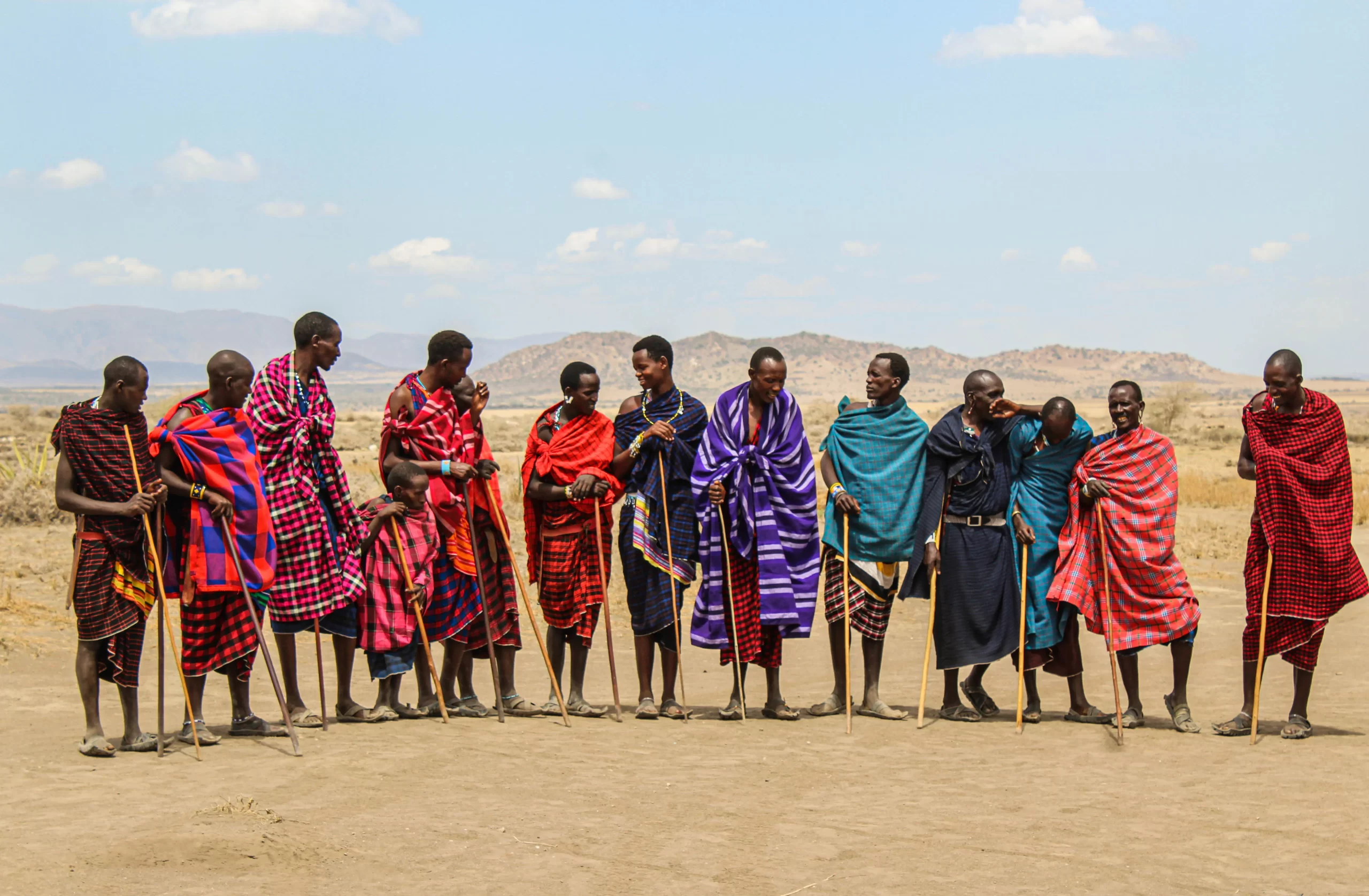
Cultural safaris and community walks give travelers the opportunity to experience East Africa through direct interaction with local people, traditions, daily life, and community activities. These experiences allow visitors to move beyond wildlife viewing and gain deeper understanding of the cultures, histories, and lifestyles that shape communities across Uganda, Rwanda, Kenya, and Tanzania.
Every community has its own traditions, languages, foods, music, stories, and ways of life. Cultural experiences help travelers connect with these realities through guided visits that encourage respectful interaction and meaningful learning. Travelers gain insight into local customs while supporting community tourism projects and local livelihoods.
Cultural safaris can be included as part of longer wildlife safaris or arranged as standalone experiences focused mainly on people, heritage, and local interaction.
Community walks allow travelers to spend time within villages, towns, markets, farms, and cultural centers while learning directly from local residents. Guided walks provide opportunities to observe daily routines, ask questions, and understand how communities live, work, and preserve their traditions.
Travelers may visit local homes, craft workshops, schools, farms, fishing communities, women’s groups, or small businesses that provide insight into everyday life within East Africa. These experiences often create personal connections that leave lasting memories for both visitors and host communities.
Local guides help explain cultural practices, social structures, traditional beliefs, and historical background while ensuring visitors engage respectfully within the communities they visit.
Food and entertainment are important parts of cultural experiences across East Africa. Travelers may participate in traditional cooking sessions, local food tastings, music performances, dance activities, storytelling sessions, and craft demonstrations during community visits.
These activities create opportunities for cultural exchange while allowing visitors to experience local traditions in practical and engaging ways. Travelers can learn how traditional meals are prepared, how local crafts are made, and how music and dance remain connected to celebrations, ceremonies, and community identity.
Different regions across East Africa offer different cultural experiences depending on local tribes, customs, geography, and history.
Cultural safaris encourage travelers to appreciate communities respectfully while supporting responsible tourism practices. Tourism activities linked to local communities often help support schools, women’s projects, conservation programs, youth initiatives, and small businesses.
Travelers contribute directly to local economies by purchasing crafts, using community guides, participating in cultural activities, and supporting locally owned tourism experiences. These interactions create value for communities while helping preserve traditions and cultural heritage for future generations.
Responsible travel also encourages visitors to learn about the social and economic realities affecting communities across East Africa.
Many cultural safaris include walking experiences through rural areas where travelers can observe farming activities, livestock keeping, fishing practices, local markets, and natural landscapes connected to community life.
Nature walks may pass through forests, hills, wetlands, lakeshores, or agricultural land while guides explain the relationship between local communities and their surrounding environment. Travelers gain understanding of how people depend on natural resources for food, medicine, construction, and daily living.
These slower paced experiences allow travelers to observe details that are often missed during vehicle-based safaris.
East Africa is home to many ethnic groups and cultural communities, each with distinct traditions and identities. Cultural safaris provide opportunities to learn about this diversity while exploring how communities preserve their heritage within changing modern societies.
Travelers may encounter pastoral communities, farming villages, fishing communities, urban neighborhoods, craft centers, or indigenous groups depending on the destinations included within the itinerary. Every experience offers different perspectives and stories that contribute to broader understanding of the region.
The variety of languages, clothing styles, foods, music traditions, and social customs across East Africa makes cultural travel rewarding for visitors interested in people-centered experiences.
Cultural safaris and community walks create opportunities for travelers to slow down, interact openly, and experience East Africa through human connection. These journeys encourage learning, curiosity, and appreciation for the communities that make the region unique.
For many travelers, cultural interaction becomes one of the most memorable parts of their journey because it creates understanding that goes beyond sightseeing alone.
Experience East Africa through guided cultural safaris and community walks that connect you with local traditions, food, music, and daily life.
0786 712488
0774 132945
info@msitunisafaris.com
Plot 1201 Block 265 Entebe, Lubowa, Kampala 27715, Uganda